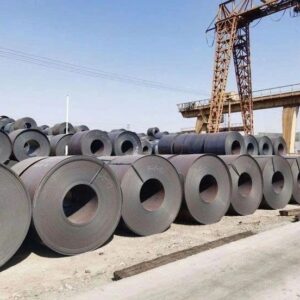


World steel in early 2026
In the first months of 2026, the world iron and steel market will continue to move in a volatile state when the global economic recovery momentum is not really even. International steel prices tend to increase slightly thanks to escalating raw material costs and expectations of economic stimulus from China, but oversupply pressure and new trade barriers still cast a shadow over the industry’s outlook.
In that context, Vietnam’s steel industry is suffering from the dual impact of fluctuations in input material prices, increasingly fierce export competition and pressure to transform to global green standards.
World steel prices increased slightly but were not stable
From the beginning of 2026, the international steel market has recorded a trend of price recovery after a prolonged period of decline in the previous year. The optimism comes as China signals that it will continue to roll out economic stimulus packages to support the infrastructure and real estate sectors — the world’s two largest steel consumers.
Along with that, the price of input materials such as iron ore, coke and energy has simultaneously increased, pushing up the cost of steel production. Many factories are forced to adjust selling prices to maintain profit margins in the context that international logistics and transportation costs have not cooled down.
In March 2026, the price of steel billets in Asia will fluctuate around 450-480 USD/ton, a slight increase compared to the beginning of the year. In April, steel prices continued to be supported by a downward trend in inventories in many regions and construction demand began to improve in some major economies.
However, experts believe that the current increase is still cautious when the actual consumption demand is not strong enough to absorb the huge global supply.
China continues to be the biggest variable
World steel in early 2026: Key Trends and Challenges
China still plays a central role in all fluctuations in the world steel market. Despite the government’s continuous signals of economic support, the real estate sector still recovered more slowly than expected, making domestic steel demand unable to make a strong breakthrough.
Meanwhile, large production capacity and pressure to release inventory make many Chinese steel enterprises continue to promote exports at competitive prices. This puts significant pressure on the steel market in Asia and Southeast Asia, where Vietnam is one of the countries directly affected.
Not only price competition, Chinese steel also increases global oversupply pressure, making it difficult for steel prices to form a strong and sustainable uptrend in the short term.
The trend of protectionism and “green steel” shaping the new game
One of the biggest changes to the global steel market in early 2026 is the increase in trade protectionist policies and environmental standards.
The European Union continues to push for the carbon border adjustment mechanism (CBAM), which requires imported steel products to meet increasingly stringent emission standards. At the same time, many countries have also increased the application of environmental taxes, import quotas and trade remedies on imported steel.
This trend is forcing the global steel industry into new competition, not only in terms of cost but also in terms of production technology and the ability to reduce carbon emissions.
For steel-exporting countries such as Vietnam, this is both a big challenge and a pressure to promote the transition to a more sustainable production model.
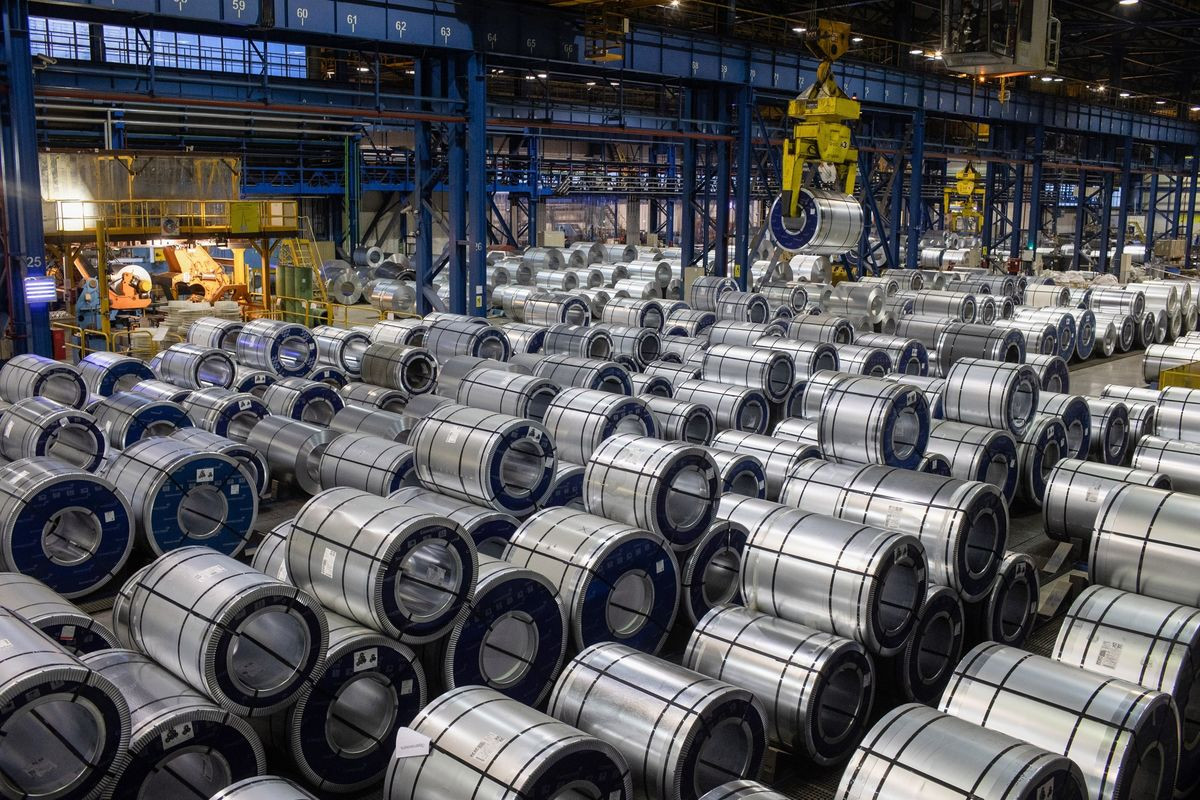
The world’s steel is in a new volatile cycle, opening up many opportunities to attach great challenges to the Vietnamese market
Vietnam’s steel industry is affected by multi-dimensional impacts
Fluctuations in the world market are directly impacting Vietnam’s steel industry in all three aspects: production costs, export activities and domestic market competition.
Firstly, the increase in the price of iron ore and input materials puts greater pressure on domestic production costs. Many businesses have to adjust their inventory and selling price strategies to control profit margins in the context that domestic demand has only partially recovered.
Second, steel exports continue to face many technical and trade barriers. New emission standards from Europe and North America force Vietnamese businesses to invest more heavily in green manufacturing technologies, carbon control systems, and product traceability.
Third, the competitive pressure from imported cheap steel, especially from China, is making the domestic market more fierce. This poses an urgent requirement to improve production capacity, optimize costs and expand new export markets.
Outlook for the second half of the year: Cautious but still opportunities
Analysts believe that the world steel market in the rest of 2026 will continue to be greatly affected by China’s economic developments, raw material prices and global trade policies.
In the short term, steel prices can maintain a slight upward trend thanks to high production costs and tight supply in some areas. However, the risk of global oversupply still exists when the speed of demand recovery has not kept up with production capacity.
For Vietnam, opportunities still exist thanks to the increasing demand for domestic public investment and the trend of shifting global supply chains. At the same time, the steel industry will have to enter a deeper restructuring phase to adapt to green standards, trade fluctuations and increasingly fierce competition in the international market.
In the new context, enterprises with advantages in scale, modern production technology and cost control will continue to play a leading role in the market, while creating a foundation for Vietnam’s steel industry to improve its position in the global supply chain.
See some chemicals for the steel industry here: https://dk-chemicals.vn/
See some of our other products here: https://dk-metalsurfacetreatment.com/san-pham-cong-ty-tnhh-hoa-chat-d-k/
World steel in early 2026,World steel in early 2026,World steel in early 2026World steel in early 2026,World steel in early 2026,World steel in early 2026,World steel in early 2026,World steel in early 2026