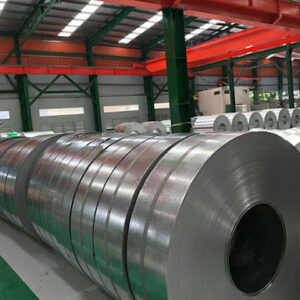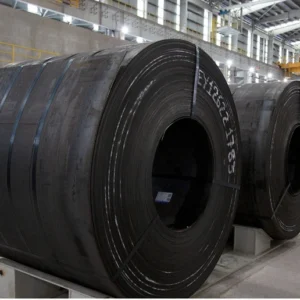


Vietnam’s steel industry is recording positive growth signals in the first months of 2026. However, in the face of global competitive pressure, increasing trade protectionist trends and increasingly stringent green transformation requirements, strengthening domestic trade remedies is considered one of the strategic solutions to protect domestic production and improve the competitiveness of the steel industry in the new development period.
- CONSTRUCTION STEEL PRICE DECLINE ACROSS THE BOARD
- PUBLIC INVESTMENT ACCELERATES: A LEVER TO PROMOTE THE STEEL INDUSTRY
- EXPORTS OF HOT-ROLLED STEEL COILS SPIKE
Vietnam’s steel industry maintains positive growth momentum
According to data from the Vietnam Steel Association (VSA), the steel market in the first 5 months of 2026 will continue to record many bright spots with crude steel output reaching 12.553 million tons, up 26.8% over the same period in 2025. The output of finished steel products reached 14.91 million tons, up 14.5%, while the consumption of steel products reached 14.93 million tons, up 12.9%.
The above figures show that the production scale of Vietnam’s steel industry is continuing to be expanded in a synchronous and modern direction, gradually improving the autonomy in the global industrial supply chain. According to VSA, Vietnamese steel products are currently present in more than 40 markets around the world.
Over more than 25 years of development, Vietnam’s steel industry has transformed strongly from a small-scale production to one of the major steel production centers of Southeast Asia. In 2025, Vietnam will rank 30th in the world in terms of steel production, with crude steel output reaching about 24.5 – 24.7 million tons and finished steel reaching 30.7 million tons.
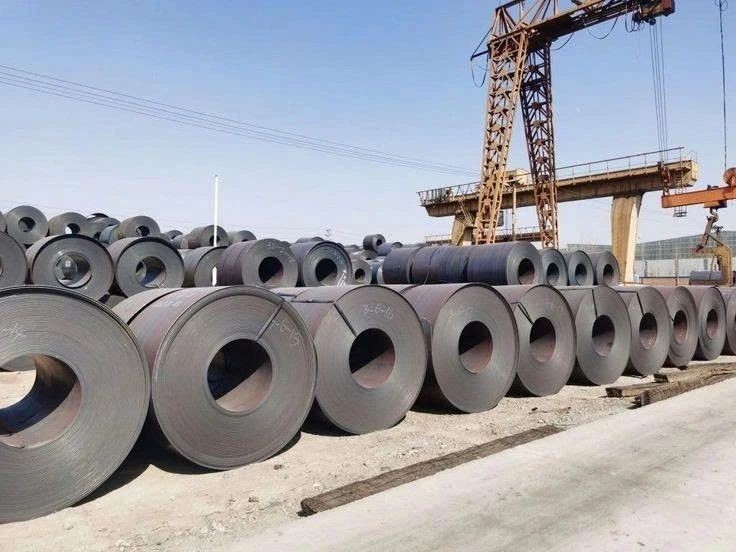
The steel market in the first five months of 2026 continued to show many positive signs, with crude steel production reaching 12.553 million tons, an increase of 26.8% compared to the same period in 2025.
The steel industry faces many global challenges
Despite positive growth, Vietnam’s steel industry is still facing many major challenges.
Protectionism and trade remedy pressures
According to Mr. Dinh Quoc Thai, Deputy General Secretary of the Vietnam Steel Association, the global steel capacity surplus is leading to a wave of protectionism in many key export markets. Vietnamese steel enterprises constantly face trade remedy investigations and many tariff barriers from major markets such as the United States and the European Union.
Green transition pressure and Net Zero goal
In addition to trade barriers, the steel industry is also under great pressure from the requirement to reduce greenhouse gas emissions. Carbon border adjustment mechanisms (CBAM) applied in many developed countries are becoming a mandatory condition to maintain competitiveness in the international market.

Carbon border adjustment mechanisms (CBAMs) are implemented in many countries.
Dependence on imported raw materials
Another challenge of the steel industry is its significant reliance on input materials such as iron ore, fat coal and imported scrap steel. This makes domestic production costs vulnerable to fluctuations in the world raw material market.
Strengthening domestic trade remedies to protect domestic production
At the seminar “Materials industry and Vietnam’s mechanical and manufacturing industry in the new development period”, Mr. Dinh Quoc Thai emphasized that improving the capacity to respond to international lawsuits and strengthening domestic trade remedies is one of the important solutions to protect domestic steel enterprises against increasing competitive pressure big.
The development of effective trade remedy tools not only contributes to protecting domestic production but also creates a foundation for Vietnam’s steel industry to develop stably and sustainably in the long term.
5 strategic solutions to improve the internal resources of the steel industry
In order to realize the development goal to 2030 and the vision to 2050, the Vietnam Steel Association has proposed 5 groups of key solutions:
Developing the steel industry in a green and sustainable direction
The steel industry aims to convert 55% of technology to green from 2026, in line with its commitment to net zero emissions.
Completing the domestic steel value chain
Promote the construction of a closed value chain from upstream to downstream in order to improve the localization rate, meet the needs of the mechanical engineering industry and many other economic fields.
Innovation of low-emission metallurgical technology
Promote investment in advanced metallurgical technologies, towards a low- or zero-emission steel production model to enhance competitiveness in the context of the global green transition.
Strengthening trade remedy capacity
Improve the ability to respond to international trade lawsuits, and at the same time strengthen the domestic trade remedy system to protect Vietnam’s steel industry.
Linking the development of the steel industry with national economic security
Strategic positioning of the development of the steel industry in association with the goal of ensuring economic security and improving Vietnam’s industrial autonomy.
Vietnam’s steel industry stands at the opportunity to make a breakthrough
According to a representative of the Vietnam Steel Association, the important thing now is not only to establish development goals but also to develop and synchronously implement policies to support businesses to overcome the increasing pressure of international competition.
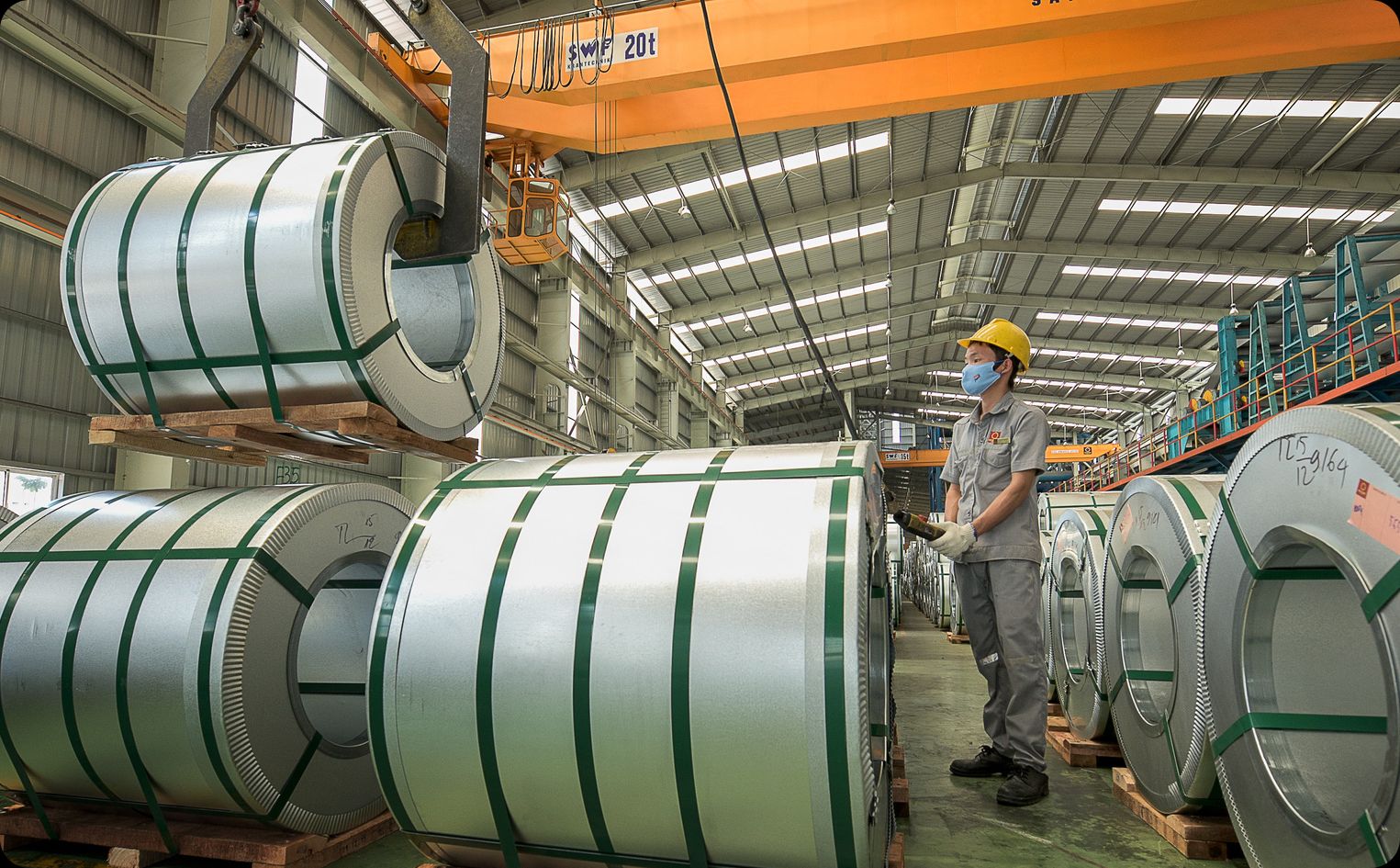
With an increasingly modern production platform, improved autonomy capacity and a green and sustainable development orientation, Vietnam’s steel industry is expected to continue to affirm its position on the world steel map, contributing positively to the goal of national industrial development in the new period.