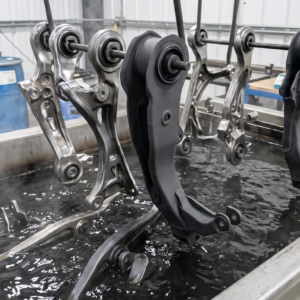


What are the stages of aluminum passivation? Some limitations of the process that businesses need to be aware of.
In the context of modern industries that increasingly place strict requirements on corrosion resistance, material life, and environmental standards, aluminum passivation is becoming one of the preferred surface treatment technologies for many businesses. Not only contributing to improving product quality, this process also opens up a new direction for the trend of green production and sustainable development.
What is Aluminum Passivation?
Aluminum Passivation is a chemical treatment process that creates a stable protective oxide film on a metal surface. This film acts as a natural “shield”, preventing the ingress of moisture, oxygen and corrosive agents from the external environment.
Thanks to this special protection, aluminum can maintain its mechanical strength, aesthetics, and long service life even when working in extreme conditions.
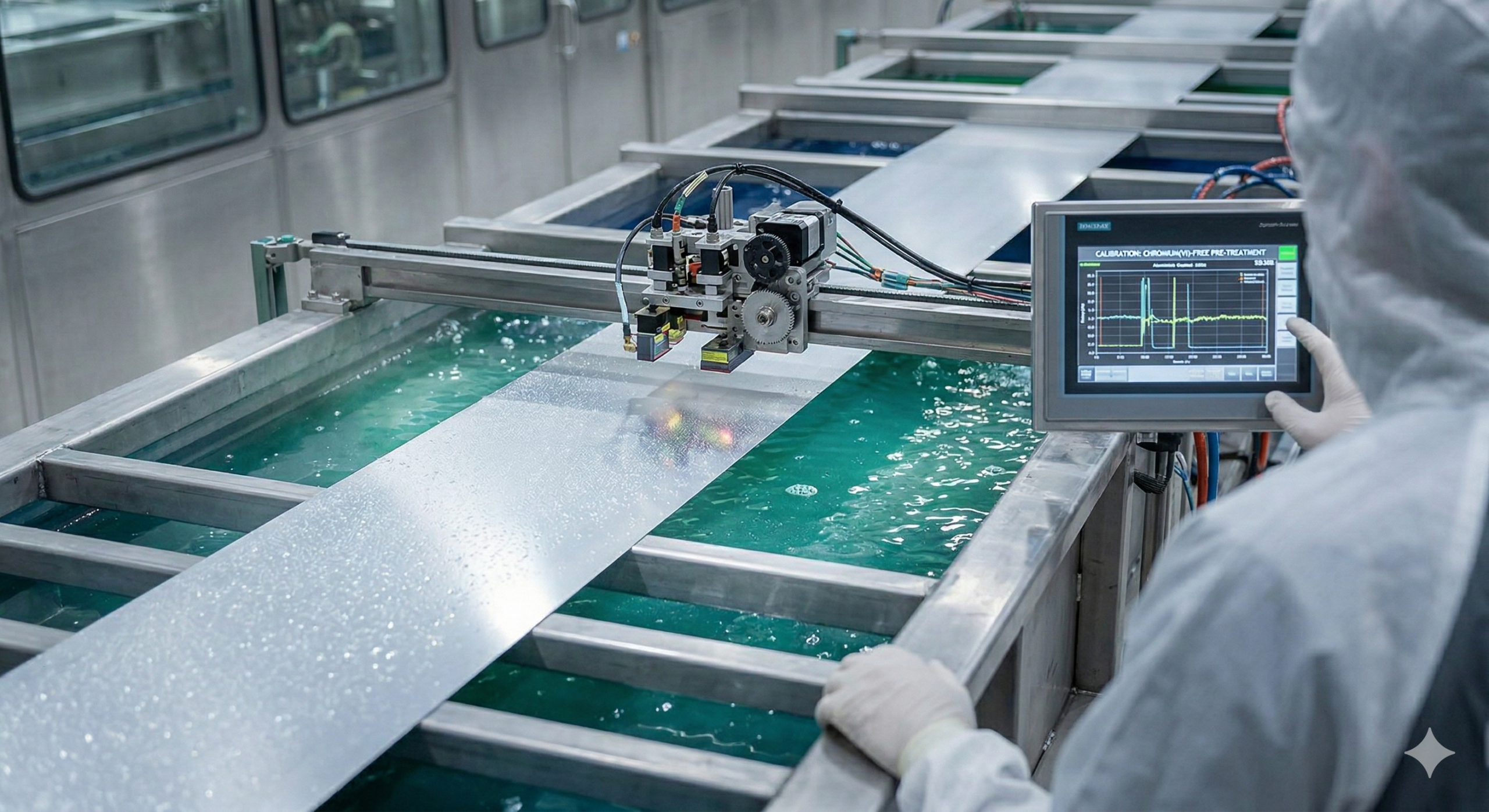
Today, passivation technology is widely applied in fields such as automotive, electronics, construction, aerospace, and precision mechanics, where high requirements are placed on the durability and stability of materials.
How does the aluminum passivation process take place?
In order to achieve optimal anti-corrosion effects, the aluminum passivation process needs to be carried out in many strict stages.
Step 1: Clean the surface
The aluminum surface is treated with alkaline or acid-based cleaners to remove grease, dirt, and impurities that remain on the surface.
Step 2: Rinse
After cleaning, the part is washed with deionized water or distilled water in order to completely remove chemical residue and avoid affecting subsequent reactions.
Step 3: Surface Treatment
Aluminum is treated with an acidic solution to remove the old oxide layer and facilitate the formation of a new, more stable passive layer.
Step 4: Passivation with a specialized solution
The part is immersed in a passive solution containing chromate, phosphate, or chromium-free alternative technologies such as zirconium or silane.
Step 5: Control the reaction time
The processing time usually lasts from 20 to 40 minutes, and the temperature is strictly controlled to ensure the quality of the protective film.
Step 6: Rinse for the last time
Deionized water is used to remove residual chemicals without affecting the newly formed oxide layer.
Step 7: Drying and quality inspection
After drying with an air knife or drying oven, the product is evaluated through test methods such as XRF analysis or salt spray test to ensure satisfactory corrosion resistance.
Some Limitations of the Aluminum Passivation Process
While it offers many benefits in terms of corrosion resistance and extended material life, aluminum passivation is not the perfect solution in all cases. To achieve optimal efficiency, businesses need to understand the limitations of this technology as well as apply the right treatment process.
Surface defects cannot be corrected
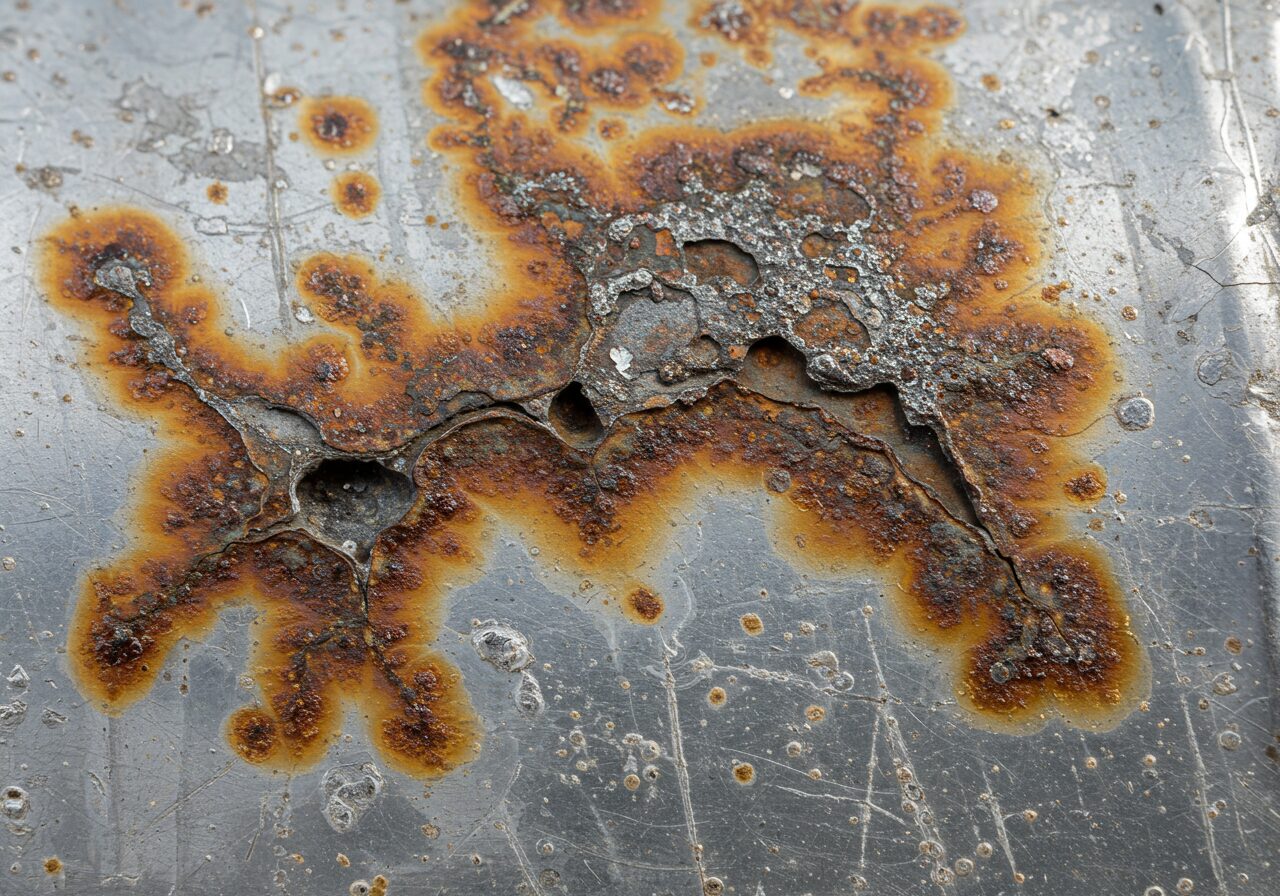
Passivation only creates a thin protective film on the metal surface, so it is not possible to repair cracks, deep scratches, surface pitting or areas that have been severely corroded.
If the aluminum surface is not properly cleaned and pre-treated before passivation, the protective film formed will be uneven, greatly reducing the anti-corrosion effect.
The protective layer can be affected by mechanical wear
The passive film has a very thin thickness, so it is susceptible to deterioration when the metal surface is frequently subjected to friction, impact, or mechanical wear.
When the protective layer is broken, the corrosion resistance of the material decreases, requiring reprocessing or in combination with additional protection solutions.
Efficiency depends on each type of aluminum alloy
Not all aluminum alloys react the same to passivation. The chemical composition and properties of each material will directly affect the quality of the protective film.
Therefore, choosing the right technology and the right treatment chemicals is an important factor that determines the efficiency of the entire process.
Affected by a harsh working environment
In environments with high salt concentrations, harsh chemicals, or prolonged high humidity, the passive film can deteriorate over time.
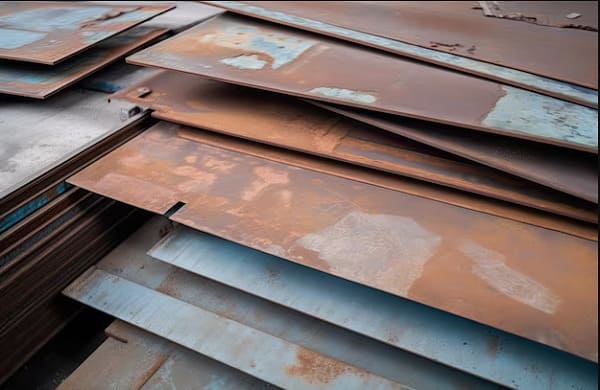
Therefore, to maintain long-term corrosion resistance, businesses need to combine surface treatment processes, periodic maintenance regimes and material selection suitable for actual use conditions.
Strict process and chemical control requirements
The effectiveness of the passivation process depends greatly on factors such as:
- Chemical concentration;
- Processing temperature;
- Soaking time;
- The quality of the washing water source;
- Drying conditions and post-processing inspection.
With just one parameter that goes beyond the standard range, the quality of the coating can be affected, resulting in unsatisfactory corrosion resistance.
Some traditional chemicals pose a potential risk to the environment
In the past, many passivation processes used hexavalent Chromium (Cr⁶⁺) or solutions with strong oxidizing properties. These chemicals have the potential to affect human health and the environment if not managed properly.

Therefore, the current trend is to switch to more friendly technologies such as Chromium III (Cr³⁺) passivation, zirconium or silane to meet RoHS and REACH standards as well as towards sustainable development.
DK Chemical Co., Ltd. – A professional provider of aluminum passivation solutions
With the orientation of developing advanced surface treatment solutions, DK Chemical Co., Ltd . is currently providing high-quality aluminum passivated chemical lines, serving many industrial fields such as:
- Automotive;
- Aerospace;
- Electronics;
- Construction and architecture;
- Precision mechanical machining.
The solutions provided by DK aim to:
- Increase product life;
- Replace technologies containing toxic Chromium VI;
- Meet international standards;
- Supporting businesses to transition to an environmentally friendly production model.
PreCoat A32 – New Generation Chromium III Passivation Solution
One of the prominent products distributed by DK Chemical Co., Ltd. is PreCoat A32, an aluminum passivation system based on trivalent Chromium (Cr³⁺) technology.
Outstanding advantages of PreCoat A32
✔ Does not contain toxic Chromium VI.
✔ Effective corrosion protection without the need for additional coatings.
✔ Easy to integrate into existing lines.
✔ Increased bonding strength with powder coatings and structural adhesives.
✔ Maintains high conductivity for electronic applications.
✔ Suitable for high-tech industries such as automotive, aerospace, electronics and construction.
In particular, PreCoat A32 meets or exceeds international standards such as:
- Qualicoat;
- GSB;
- MIL-DTL 81706B;
- MIL-DTL 5541.
The product has been independently tested by a research institute affiliated with the European Space Agency (ESA), thereby confirming the potential to become the first Cr⁶⁺-free pretreatment solution on the market today.
Some Frequently Asked Questions About Aluminum Passivation
What is aluminum passivation?
It is a chemical treatment that creates a stable oxide film on the surface of the aluminum to prevent oxidation and corrosion, and to protect the integrity of the material.
What is the biggest advantage of aluminum passivation?
This process enhances corrosion resistance, improves paint adhesion, enhances aesthetics, and extends product life.
What methods of aluminum passivation are there?
Currently, aluminum can be passivated by chemical methods or anodized (anodized). Both create a protective film that increases corrosion resistance.
What is the role of nitric acid in passivation?
Nitric acid is often used to form a stable oxide film on the surface of aluminum, which prevents further oxidation and improves the effectiveness of material protection.
In the development trend of modern industry, aluminum passivation is not only a solution to improve corrosion resistance but also an important factor to help businesses increase product life, meet international environmental standards and move towards a sustainable production model. With the emergence of advanced Chromium III technologies such as PreCoat A32, the aluminum surface treatment industry is opening up many new opportunities for businesses in the journey of green transformation and improving competitiveness in the global market.
YOU MAY BE INTERESTED IN
- What is Metal Passivation?
- Common Passivation Mistakes That Can Cause Premature Metal Rusting – What Should Businesses Be Aware Of?
Some Metal Passivation Products
- Chromium III (Cr+3) Passivation
- Chromium VI (Cr6+)-free Passivation for Aluminum and Aluminum Anodizing
- Passivation for Aluminum
- Aluminum Anodizing
- Aluminum Pretreatment Solutions
D.K Chemicals Co., Ltd.
Address: 20/54 Street No. 9, An Hoi Dong Ward, Ho Chi Minh City
Hotline: 0909678599
Email: de@dk-chemicals.vn