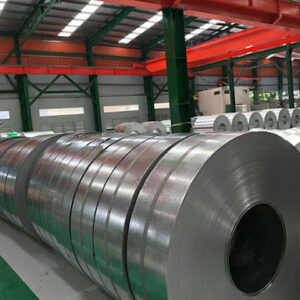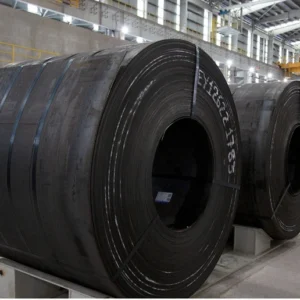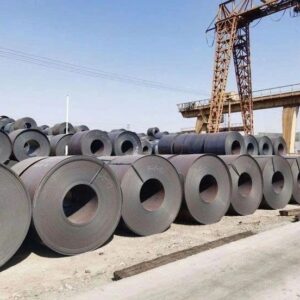


This strategic shift, stemming from difficult export conditions and the rise of trade remedies, aims to exploit growth segments that were once left open in the domestic market, particularly for The steel industry.
HANOI — As Vietnamese steel enterprises are shifting to the domestic market due to weakening export demand, they are struggling with fierce competitive pressure, narrowing profit margins across The steel industry.
This strategic shift, driven by difficult exports and the rise of trade remedies, is expected to capitalize on previously neglected growth segments in the domestic market for The steel industry.
By the end of 2025, the strategy of repositioning the focus on domestic sales has shown certain effects, as evidenced by the fact that large companies have succeeded in increasing domestic sales. However, this shift also reveals downsides: the gross profit margin of the whole industry has narrowed due to fierce competition, thereby increasing pressure on selling prices and negatively impacting the financial results of a series of enterprises.
The Future of The Steel Industry
For example, Nam Kim Steel Joint Stock Company (NKG) recorded a 21% increase in domestic revenue in 2025, reaching nearly VND 8,830 billion (equivalent to USD 340 million), with the proportion of domestic sales currently accounting for 59.2% of total revenue. In the opposite direction, export sales plunged 54.7%, decreased to VND 6,070 billion and only accounted for 40.8% of total revenue, down sharply from 64.8% at the beginning of the year. This significant decline caused Nam Kim’s total revenue to fall by 28.1%, leading to a deep 56.5% drop in profit after tax.
Facing the above challenges, Nam Kim Steel also reported a loss of VND 9.34 billion in the fourth quarter of 2025. This is the first quarter of losses after 10 consecutive quarters of profitable business, clearly exposing the impact of domestic competition and the decline in selling prices. In response to the situation, the company has conducted prudent management of short-term assets, cut nearly VND 1,390 billion in inventory, and significantly increased long-term capital construction costs, reflecting the inflow of investment capital in new projects.
The same trend is also recorded at other large enterprises. Hoa Sen Group (HSG) reported a 18% decrease in revenue to more than VND 8,380 billion, accompanied by a 62.3% decrease in profit after tax. More notably, Tien Sang Steel Group Joint Stock Company (TLH) faced even more severe difficulties when revenue in the fourth quarter of 2025 evaporated by 53.2%, leading to a net loss in the third consecutive profitable quarter.
Analysts at BIDV Securities (BSC) point out a clear divergence in the financial results of steel enterprises in 2025. In particular, trading units continue to struggle at low profit margins because steel prices are still anchored at the bottom of the cycle, combined with weak export demand and trade barriers.
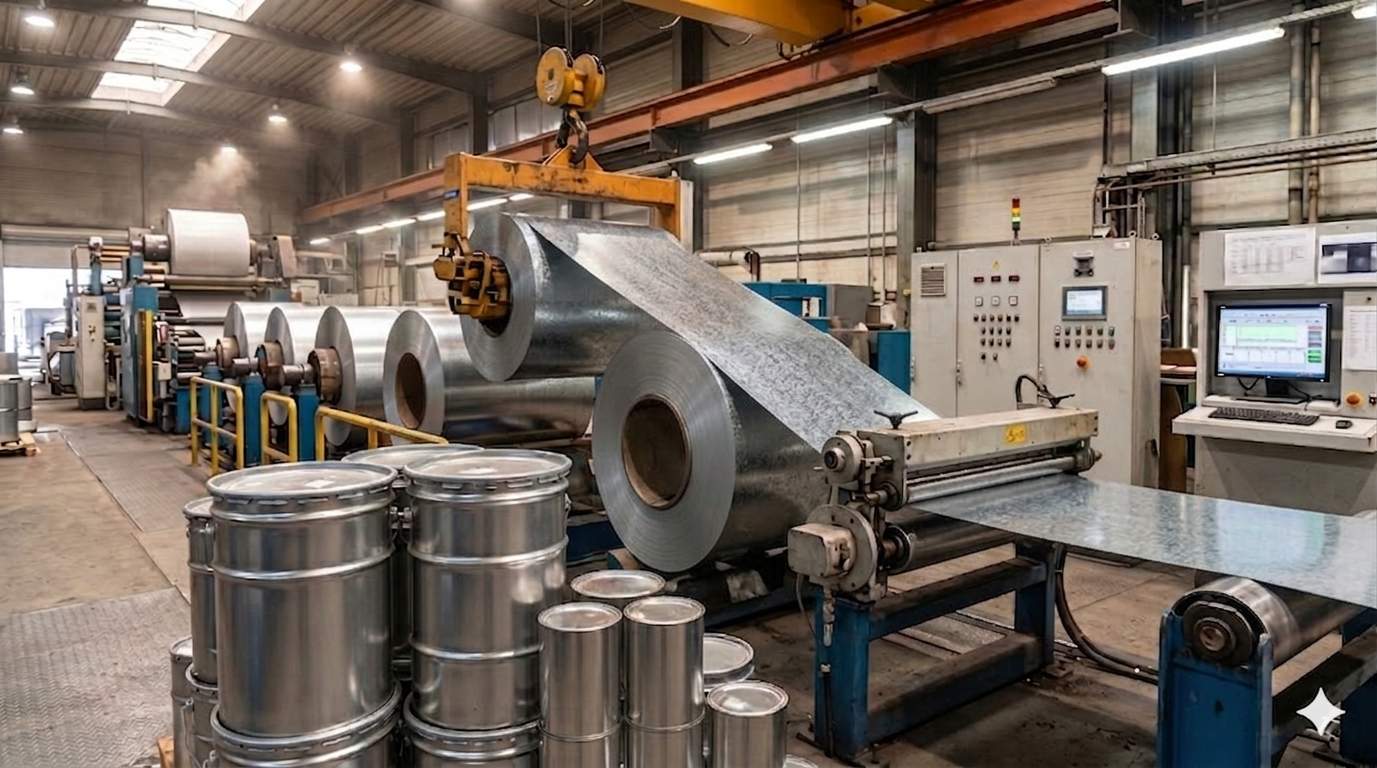
The problem of oversupply and cost pressure
In response to competitive pressure from the domestic market, businesses like Nam Kim are aggressively expanding production scale. In 2025 alone, the long-term construction cost of Nam Kim Steel has jumped to VND 4,440 billion, mainly allocated to the new Phu My Steel factory project expected to come into operation in the first quarter of 2026. This new infrastructure is expected to give a big boost to Nam Kim’s production capacity.
However, the challenge does not stop at production capacity. As competitors such as VNSteel and Dong A Steel also simultaneously expand their operations, oversupply in the domestic market can become a barrier to the process of re-establishing the equilibrium of the whole industry. Mirae Asset Securities also emphasized the potential limitations in achieving a supply-demand balance in the face of a wave of simultaneous capacity expansion from leading enterprises in the industry.
When the market fluctuates, businesses face increased operating costs when new factories come into operation, which will directly hit profits in the initial operating phase. Financial pressures could be exacerbated by an increase in depreciation costs — which are typically accounted for in the income statement as soon as plants start operating — BIZHUB/VNS.
See some chemicals for the steel industry here: https://dk-chemicals.vn/
See some of our other products here: https://dk-metalsurfacetreatment.com/san-pham-cong-ty-tnhh-hoa-chat-d-k/