

In the Hot Dip Galvanizing (HDG) process, many businesses often focus on controlling the temperature of the zinc tank, alloy composition or dipping time without properly assessing the role of surface pretreatment. In fact, this is the foundation that determines the adhesion of the zinc layer, the uniformity of the coating and the anti-corrosion effect of the product after plating, including rust removal.
The two most important steps in the pre-treatment stage are Degreasing and Pickling. If the grease, dirt, or oxide layer is not completely removed, including during rust removal, the reaction between the molten steel and zinc will be hindered, resulting in many defects such as non-adhesive plating, air porosity, dull surfaces, or increased zinc consumption.
Studies on hot-dip galvanizing technology have also shown that good control of the pretreatment process improves coating quality and significantly reduces the rate of product reprocessing.
In the Hot Dip Galvanizing (HDG) process, many businesses often focus on controlling the temperature of the zinc tank, alloy composition or dipping time without properly assessing the role of the surface pretreatment. In fact, this is the foundation that determines the adhesion of the zinc layer, the uniformity of the coating and the anti-corrosion effect of the product after plating, including rust removal.
The two most important steps in the pre-treatment stage are Degreasing and Pickling. If the grease, dirt, or oxide layer is not completely removed, including during rust removal, the reaction between the molten steel and zinc will be hindered, resulting in many defects such as non-adhesive plating, air porosity, dull surfaces, or increased zinc consumption.
Studies on hot-dip galvanizing technology have also shown that good control of the pretreatment process improves coating quality and significantly reduces the rate of product reprocessing.
The role of oil removal in hot-dip galvanizing
During steel rolling, mechanical processing or storage, metal surfaces are often exposed to cutting oils, anti-rust oils, greases and industrial dust. These impurities form a barrier between the base metal and the treatment solution, reducing the efficiency of subsequent steps.
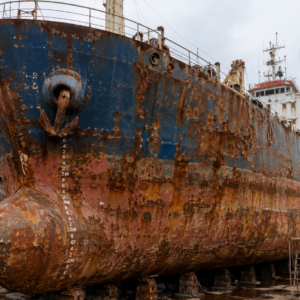
Effective rust removal is crucial for ensuring high-quality galvanization and preventing future corrosion. Proper techniques should be employed to maximize the efficiency of the process.
If not removed completely, grease will:
- Interferes with rust removal.
- Reduces the efficiency of the flux tank (Flux).
- Causing the coating to not adhere or adhere unevenly.
- Increase the risk of gas pitting and air bubbles in the zinc tank.
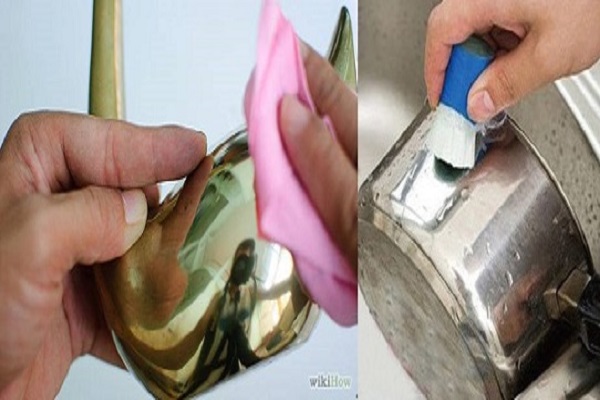
Degreasing is not merely a cleaning step, but also a prerequisite for the entire galvanizing process to take place stably
Common types of oil removal chemicals
At present, hot-dip galvanizing lines mainly use two groups of degreasing chemicals.
Alkaline-based degreasing chemicals
This is the most commonly used group of chemicals with ingredients such as:
- Sodium Hydroxide (NaOH)
- Sodium Carbonate
- Sodium Silicate
- Sodium Phosphate
- Surfactant
The alkaline solution has the ability to emulsify grease, disperse dirt, and clean effectively without affecting the steel substrate.
For parts with a lot of cutting oil or preservative oils, STRIP 198S is an alkali-based degreasing chemical designed for the hot-dip galvanizing industry.
Advantages of the STRIP 198S
- Rapid cleaning of industrial grease and dust.
- Limit oil pulling to the HCl acid tank.
- Reduce oil floating on the surface of the tank.
- Contributes to the extension of the life of the rust remover.
For some parts with a slight level of oil contamination or a combination of cleaning and surface activation, businesses can use acid-based degreasing chemicals.
Additive SP is a chemical developed to aid in the process of cleaning surfaces before rust removal.
Some outstanding benefits:
- Effective grease removal.
- Increase the exposure of the rust remover solution.
- Reduce the amount of oil pulled into the HCl tank.
- Contributing to improving the quality of the final coating.
The role of rust removal
After de-oiling, there is still an oxide layer formed during hot rolling or storage in the environment.
Common oxide classes include:
- FeO
- Fe₂O₃
- Fe₃O₄
These oxide layers are highly durable and cannot be completely removed with water or an alkaline solution. Therefore, it is necessary to use acids to dissolve them before taking the product to the Flux tank.
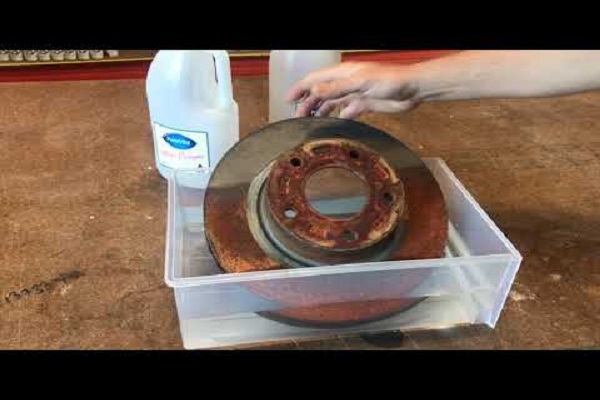
According to studies, if the oxide layer is not removed completely, the reactivity between steel and zinc will decrease, resulting in a continuous coating or not reaching the desired quality.
Why is HCl commonly used in rust removal tanks?
In the hot-dip galvanizing industry, Hydrochloric Acid (HCl) is a more widely used acid than H₂SO₄ thanks to its many advantages:
- The oxide dissolution rate is fast.
- No heating is required.
- Less scale.
- Easy to control concentration.
- Reduced processing time.
As a result, HCl helps improve productivity and reduce operating costs for galvanizing lines.
How to optimize the HCl acid tank
An effective rust removal tank depends not only on acid concentration, but also needs to be comprehensively controlled.
Enterprises should take the following measures:
Routine HCl Levels Checks
Maintaining the right acid concentration helps to ensure a stable oxide dissolution rate and avoid over-bleaching.
Iron ion content monitoring
During operation, Fe²⁺ ions and Fe³⁺ will gradually accumulate in the tank.
When the iron content is too high, the rust removal effect decreases, the processing time is prolonged, and the cost of chemicals increases. According to the study, when the total iron ion content reaches about 1.0–1.4 M, it is necessary to consider renewing or treating the solution to maintain performance.
Supplement chemicals to support the optimal HCl acid tank in the right proportion
It is not recommended to wait until the tank is underperforming to add corrosion inhibitors.
Periodic supplementation according to the manufacturer’s recommendations will help:
- reducing acid loss;
- protection of the base steel;
- prolongs tank life.
Some solutions are applied by many modern galvanizing factories to optimize operating costs and improve product quality such as: Acid Inhibitor helps reduce the corrosion rate of base steel, limit hydrogen brittleness, and prolong tank life.
Soaking Time Control
Soaking for too long can cause Over Pickling, causing excessive corrosion of the steel and affecting the quality of the plating.
Rinse with clean water after rust removal
After leaving the HCl tank, the product needs to be rinsed to remove any acid remaining on the surface before moving on to the flux stage.
Common mistakes in the process of degreasing and rust removal
Although it is pre-treatment, degreasing and rust removal are the cause of the majority of defects in the hot-dip galvanizing process. Even one operating parameter that is not well controlled can affect the quality of the plating layer, increasing the rate at which the product has to be reprocessed and incurring production costs.
Here are some common errors and solutions.
Pretreatment Chemical Trends in the Hot-Dip Galvanizing Industry
Along with the increasing requirements for quality and environmental standards, galvanizing businesses are turning to high-performance and more environmentally friendly pretreatment chemical lines.
Some of the prominent trends include:
- Oil removal chemicals have fast emulsification, low foaming, and are easy to treat wastewater.
- The addition of supporting chemicals helps reduce HCl consumption and protect the base steel.
- Acid vapor restriction additives aim to improve working conditions.
- The chemical management process is based on periodic analysis rather than empirical supplementation.
Investing in high-quality chemicals combined with scientific control processes not only helps to stabilize the quality of the plating but also reduces operating costs in the long term.
Frequently Asked Questions (FAQ)
1. Why do you need to degrease before rust removal?
Degreasing completely removes grease and lubricant from steel surfaces. If this stage is skipped, it will be difficult for the acid to come into contact with the oxide layer, reducing the rust removal effect and affecting the quality of the plating layer.
2. Is HCl or H₂SO₄ more suitable for rust removal tanks?
In the hot-dip galvanizing industry, HCl is more commonly used because of its fast pickling speed, no need for heating, less scale generation, and easier control than H₂SO₄.
3. When should the HCl tank be replaced or reprocessed?
When the HCl concentration decreases or the iron ion content accumulates too high, causing the rust removal rate to decrease, businesses should treat or replace the solution to maintain operational efficiency.
4. How to optimize the cost of operating an HCl acid tank?
Enterprises should periodically check HCl concentration, iron ion content, use of supporting chemicals, control the soaking time and clean the tank regularly to maintain the effectiveness of rust removal and extend the life of the solution.
5. Will residual oil affect the plating?
Yes. Grease remaining on the surface will interfere with rust removal and the reaction between steel and molten zinc, causing errors such as non-adhesive coatings, air porosity, or uneven surfaces.
Related Articles
Galvanizing process and the trend of choosing modern passive chemicals
Why does galvanized steel still rust white? Efficient Passivation Solutions for the Metal Industry
Galvanizing chemicals and common “problems” of plating
You May Be Interested In
Where to supply reputable and quality galvanized chemicals?
Hot Dip Galvanized Chemicals Get Good Price
Where to buy reputable hot-dip galvanized additives
D.K. Chemicals Co., Ltd.
Address: 50 Street No. 12, Cityland Park Hills Residential Area, Go Vap Ward, Ho Chi Minh City
Hotline: 0909678599
Email: de@dk-chemicals.vn