

Amidst a gradually recovering economy and a resurgence in construction activity, public investment continues to be seen as a crucial growth driver for Vietnam’s steel industry. A series of large-scale infrastructure projects being implemented nationwide not only contribute to economic growth but also create strong demand for steel in the medium and long term.
- CONSTRUCTION STEEL PRICES FALL ACROSS THE COUNTRY
- ACCELERATED PUBLIC INVESTMENT: A LEVERAGE TO BOOST THE STEEL INDUSTRY
- STEEL PRICES COOL DOWN AFTER A LONG ROW: CONSTRUCTION MATERIALS MARKET RECEIVES POSITIVE SIGNALS
Transportation infrastructure opens a new growth cycle for the steel industry.
According to market assessments, the period from 2026 to 2030 is expected to witness the largest wave of infrastructure investment ever in Vietnam. The public investment allocation plan for 2026 is projected to reach approximately VND 995,000 billion, an increase of over 30% compared to 2025. Including additional funding, the total scale of public investment could exceed VND 1 trillion, equivalent to nearly 7.85% of GDP.
Not only focusing on short-term goals, the total medium-term public investment capital for the period 2026–2030 is projected to reach approximately 8.22 million billion VND, nearly 2.7 times higher than the previous period. This enormous capital will be prioritized for key national projects such as the North-South high-speed railway, Long Thanh airport, ring roads in Hanoi and Ho Chi Minh City, inter-regional expressways, seaports, and many large-scale energy projects.
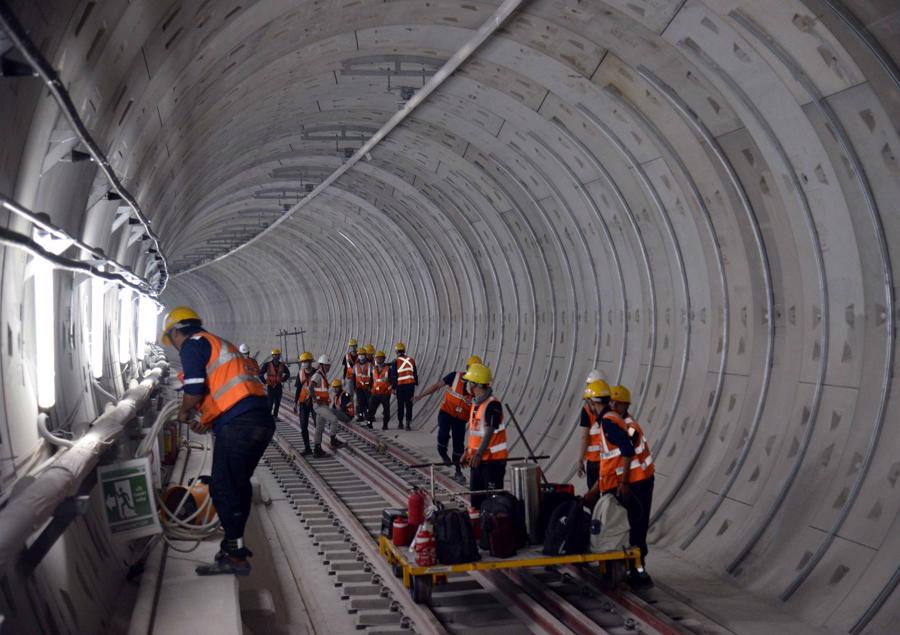
The surge in infrastructure projects is expected to drive a significant demand for construction materials, especially construction steel for bridges, roads, railway stations, airports, and other key engineering projects. This is seen as a crucial driver for the steel industry to maintain its growth momentum in the coming years.
 ⇒ See also: Products serving the steel sheet industry
Public investment creates a stable source of demand for steel businesses.
Unlike the real estate market, which is often affected by economic cycles and credit fluctuations, public investment is more stable because it is implemented according to the government’s long-term plan. This helps to create a sustainable demand for the steel industry, especially the construction steel segment.
Many businesses in the industry now expect the disbursement of public investment capital to continue to accelerate, and new infrastructure projects to be launched on schedule. With the demand for infrastructure construction remaining high, domestic steel consumption will also be significantly supported.
In addition, increased public investment contributes to the promotion of many related sectors such as transportation, logistics, industrial production, and services, thereby creating a positive ripple effect throughout the entire construction materials supply chain.
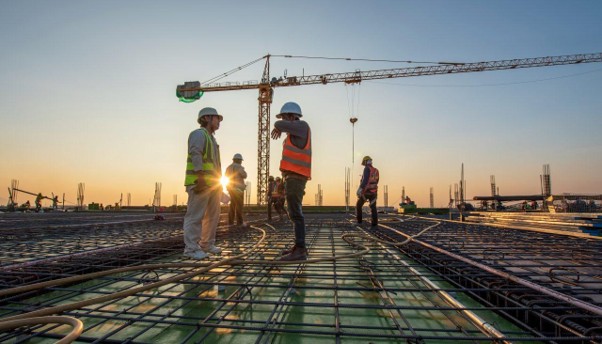
A series of large-scale infrastructure projects are being implemented nationwide, not only contributing to economic growth but also creating strong demand for steel in the medium and long term.
Industrial zones and urbanization continue to drive demand for steel.
Alongside the development of transportation infrastructure, the expansion of industrial zones, logistics centers, and new urban areas is also creating significant growth momentum for the steel industry.
Many localities across the country are actively expanding industrial land, improving connecting transportation systems, and boosting foreign direct investment (FDI) attraction. The emergence of large-scale manufacturing plants has led to a demand for the construction of workshops, warehouses, technical infrastructure, and supporting facilities.
This trend not only helps increase steel consumption but also expands the market for domestic construction material manufacturers.
The demand for high-quality steel is increasing.
With the development of large-scale projects and increasingly stringent technical requirements, the market is trending towards prioritizing the use of high-quality steel to ensure load-bearing capacity, structural durability, and long service life.
This forces steel businesses to continue investing in modern production technology, improving product quality, and enhancing competitiveness. The shift towards higher value-added steel products not only meets the requirements of key projects but also lays the foundation for the sustainable development of the industry in the future.
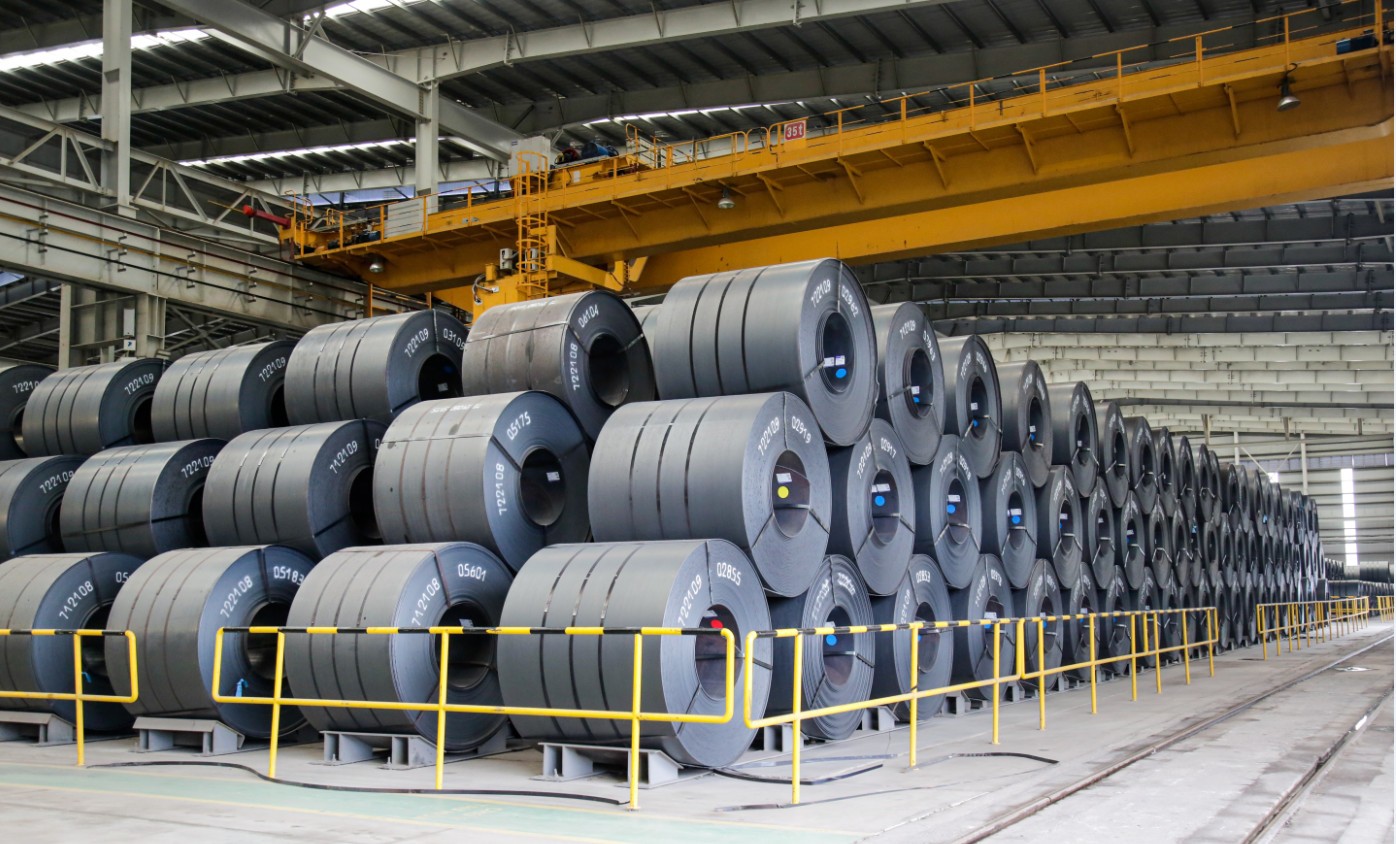 ⇒ See also: Products serving the steel sheet industry
Positive outlook for Vietnam’s steel industry.
With Vietnam continuing to boost infrastructure investment, industrial development, and urbanization, the steel industry is assessed to have significant growth potential in the medium and long term.
Besides increasing production, the future development strategy for the steel industry also aims to increase the proportion of high-quality steel, strengthen domestic production capacity, and improve competitiveness in the international market. This will be an important foundation to help the Vietnamese steel industry not only meet domestic demand but also gradually participate more deeply in regional and global supply chains.
With strong support from public investment programs and the trend of widespread infrastructure development, the steel industry is poised to enter a new growth phase, making a positive contribution to the country’s economic development in the coming years.
Learn More
1. Chemicals for the Coiled Steel Industry .
2. Pre-treatment Chemicals
3. Chemicals for Hot-Dip Galvanizing (HDG)
4. Specialized Information
| NEW ARTICLE |
DK-Chemicals: Metal surface pretreatment solutions for industry
DK-Chemicals provides chemical surface treatment solutions for metals serving the aluminum, galvanized sheet, color-coated steel, coil-coating, and related industrial applications.
With a focus on providing advanced, environmentally friendly technologies that meet modern production requirements, DK-Chemicals partners with customers in selecting suitable pre-treatment solutions, optimizing surface quality, and enhancing product durability after coating.
Contact DK Chemicals’ technical team today for detailed advice:
DK Chemical Company Limited
Address: 50 Street No. 12, Cityland Park Hills Residential Area, Go Vap Ward, Ho Chi Minh City
Hotline: 0909678599
Email: de@dk-chemicals.vn